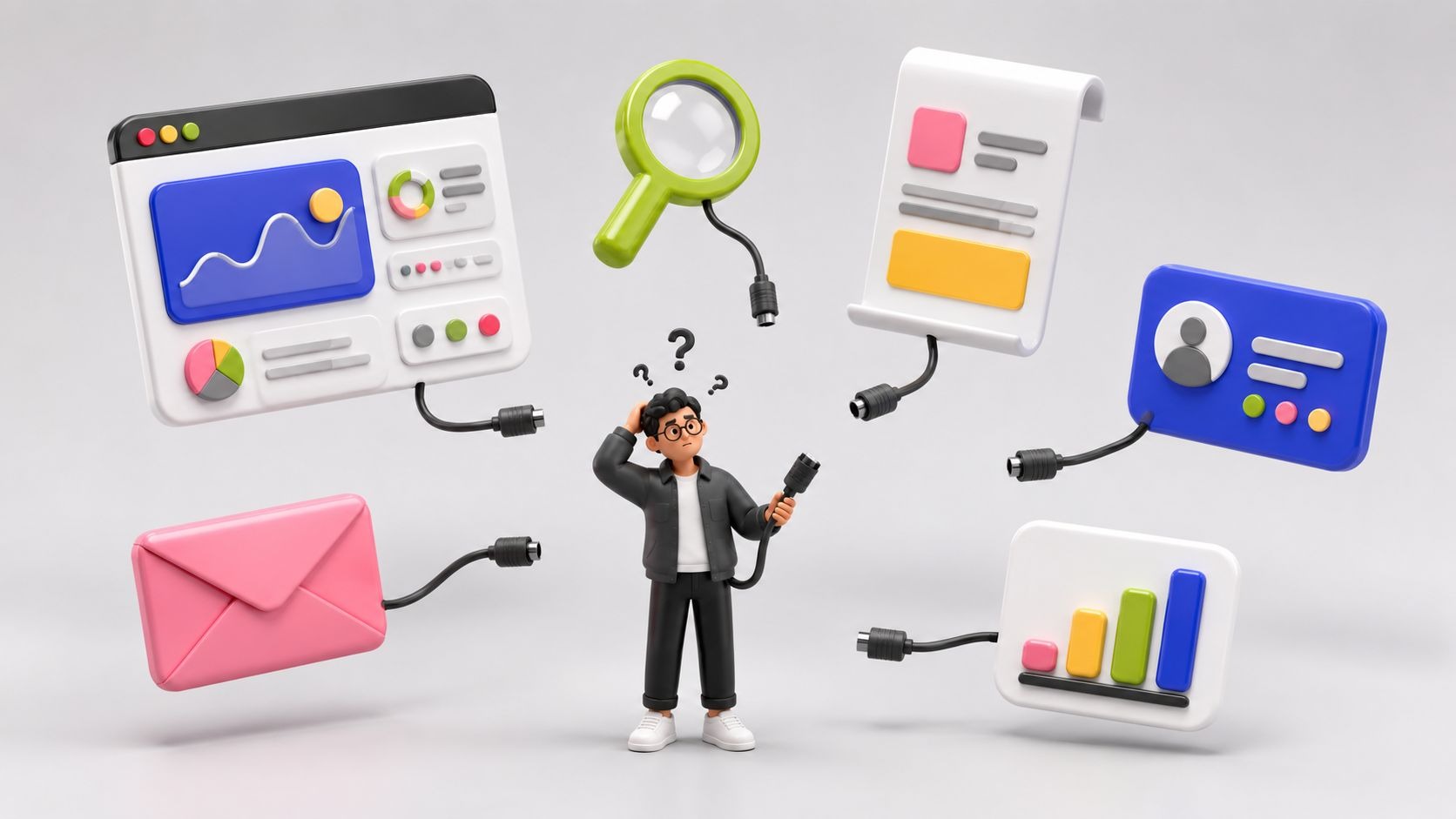
In today’s fast-paced business landscape, companies juggle countless balls to stay competitive. Enter Enterprise Resource Planning (ERP) and Customer Relationship Management (CRM) – the dynamic duo that’s revolutionizing how businesses operate and connect with their customers. Think of them as the Batman and Robin of the corporate world, working together to save businesses from chaos and inefficiency.
While ERP streamlines internal operations like a well-oiled machine, CRM acts as the charming front-desk personality that keeps customers coming back for more. Together, they create a powerful synergy that transforms scattered data into actionable insights, helping businesses make smarter decisions and deliver exceptional customer experiences. The integration of these systems isn’t just a luxury anymore – it’s become the secret sauce behind successful modern enterprises.
Understanding ERP and CRM Systems
ERP systems streamline business operations by integrating data across departments into a unified platform. CRM platforms focus on managing customer interactions throughout the entire customer lifecycle.
Key Components of ERP Solutions
Enterprise Resource Planning systems consist of interconnected modules that manage essential business functions:
- Financial Management: Handles accounting transactions general ledger payroll accounts receivable
- Supply Chain Management: Controls inventory warehouse distribution procurement processes
- Manufacturing: Manages production planning quality control shop floor operations
- Human Resources: Tracks employee data benefits attendance performance metrics
- Business Intelligence: Generates reports analytics dashboards real-time insights
- Project Management: Coordinates resources timelines budgets project deliverables
Core Elements of CRM Platforms
Customer Relationship Management platforms incorporate features that optimize customer interactions:
- Contact Management: Stores customer profiles contact details communication history preferences
- Lead Management: Tracks potential customers sales pipeline opportunity scoring
- Sales Automation: Streamlines quotations order processing sales forecasting
- Marketing Tools: Enables campaign management email marketing social media integration
- Customer Service: Manages support tickets service requests knowledge base
- Analytics: Provides customer behavior insights sales metrics performance tracking
Each platform’s components integrate seamlessly creating a comprehensive business management ecosystem. The modular structure enables organizations to customize functionality based on specific operational requirements.
Benefits of Integrating ERP and CRM

The integration of ERP and CRM systems creates a powerful synergy that transforms business operations. These connected systems deliver measurable advantages across multiple business functions.
Improved Data Management and Visibility
ERP-CRM integration eliminates data silos by centralizing information from sales, inventory, finance and customer interactions into a single source of truth. Real-time data synchronization enables teams to access accurate customer histories, purchase patterns and inventory levels across both platforms. Organizations gain comprehensive visibility into the entire customer journey, from initial contact through order fulfillment and post-sale support. Analytics tools process this unified data to generate actionable insights about customer behavior, sales trends and operational efficiency.
Enhanced Customer Service Capabilities
Customer service teams access complete customer profiles containing purchase history, support tickets and communication preferences through the integrated system. Service representatives resolve issues faster with instant visibility into order status, shipping details and product availability. Automated workflows route customer inquiries to appropriate departments while maintaining full context of previous interactions. The combined platform enables personalized service by providing insights into customer preferences, past purchases and lifetime value metrics.
Streamlined Business Operations
Integration automates key processes between sales, inventory and fulfillment systems to reduce manual data entry and errors. Sales teams create orders that automatically sync with inventory management and trigger replenishment workflows when stock runs low. Financial data flows seamlessly between systems to enable accurate revenue forecasting and budget planning. The connected platforms standardize business processes across departments through configurable automation rules and approval workflows.
Common Integration Challenges
Integrating ERP and CRM systems presents significant obstacles that organizations must address for successful implementation. These challenges affect both technical aspects and data management processes across the enterprise infrastructure.
Technical Implementation Hurdles
Legacy system compatibility creates significant barriers during ERP-CRM integration. Different programming languages between systems require complex middleware solutions for seamless communication. API limitations restrict data flow between platforms leading to incomplete information transfer. Security protocols often conflict between systems creating vulnerabilities in data protection measures. Custom coding requirements increase implementation costs by 25-40% compared to standard installations.
| Technical Challenge | Impact Percentage |
|---|---|
| API Limitations | 35% |
| Security Conflicts | 28% |
| Legacy Compatibility | 25% |
| Custom Code Needs | 12% |
Data Migration and Synchronization Issues
Data inconsistencies emerge when merging information from multiple sources into integrated systems. Duplicate records create confusion with 15-20% of customer data containing redundant entries. Field mapping mismatches between ERP and CRM databases cause data loss during transfers. Real-time synchronization delays impact decision-making with average lag times of 10-15 minutes. Database schema differences require extensive transformation rules to maintain data integrity.
| Data Challenge | Impact Metric |
|---|---|
| Duplicate Records | 15-20% |
| Sync Delay | 10-15 mins |
| Field Mismatch | 30% |
| Schema Conflicts | 25% |
Best Practices for ERP-CRM Integration
Successful ERP-CRM integration requires careful planning, strategic implementation and continuous monitoring to ensure optimal performance. Here’s how organizations maximize their integration success through proven best practices.
Choosing Compatible Solutions
Selecting compatible ERP and CRM platforms forms the foundation for successful integration. Modern cloud-based solutions offer built-in integration capabilities through standardized APIs. Organizations benefit from choosing vendors with established integration frameworks between their products. Key compatibility factors include:
- Data structure alignment between systems
- Supported integration protocols (REST APIs, web services)
- Scalability to handle growing data volumes
- Security compliance certifications
- Vendor track record of successful integrations
- Available documentation resources
- Technical support capabilities
Planning the Integration Strategy
A comprehensive integration strategy addresses technical requirements data governance organizational readiness. The strategy includes:
- Detailed data mapping between systems
- Integration architecture design
- Security protocols implementation
- User access controls
- Testing procedures documentation
- Training program development
- Resource allocation planning
- Risk mitigation steps
- Performance monitoring metrics
- Rollback procedures
Project teams create detailed timelines with specific milestones deliverables dependencies. Regular stakeholder communication ensures alignment across departments throughout the integration process.
Future Trends in ERP and CRM
Enterprise Resource Planning (ERP) and Customer Relationship Management (CRM) systems continue evolving with emerging technologies. These advancements transform how businesses manage operations and customer relationships.
Cloud-Based Integration Solutions
Cloud integration platforms connect ERP and CRM systems through secure APIs and microservices architecture. Modern cloud solutions offer real-time data synchronization across multiple applications with 99.9% uptime guarantees. Organizations leverage containerization technology to deploy scalable integrations supporting 10,000+ concurrent users. Leading vendors provide pre-built connectors for popular platforms like Salesforce SAP Oracle Microsoft Dynamics reducing implementation time by 60%. Multi-tenant architectures enable automatic updates security patches version control across integrated systems without disrupting operations.
AI and Automation Capabilities
Artificial Intelligence enhances ERP-CRM systems through predictive analytics natural language processing machine learning algorithms. AI-powered chatbots handle 70% of customer inquiries automatically reducing response times to under 30 seconds. Machine learning models analyze historical data to predict customer behavior with 85% accuracy identifying cross-sell opportunities seasonal trends demand patterns. Robotic Process Automation (RPA) automates repetitive tasks cutting manual processing time by 80%. Smart algorithms optimize inventory levels reduce waste improve cash flow by analyzing 100+ variables simultaneously. Computer vision technology streamlines warehouse operations quality control processes increasing accuracy rates to 99.5%.
Conclusion
The seamless integration of ERP and CRM systems stands as a cornerstone of modern business success. While organizations face implementation challenges the long-term benefits of this integration far outweigh the initial hurdles. By following established best practices and leveraging emerging technologies businesses can create a unified ecosystem that drives operational excellence and customer satisfaction.
The future of ERP-CRM integration looks promising with AI machine learning and cloud technologies paving the way for even more sophisticated solutions. Organizations that embrace this digital transformation will find themselves better equipped to meet evolving market demands and maintain a competitive edge in their industries.
Success in today’s dynamic business environment requires both operational efficiency and strong customer relationships. Through strategic ERP-CRM integration businesses can achieve this delicate balance and position themselves for sustainable growth.